
Tracing Graham Hancock’s Shifting Cataclysm
Skeptical Inquirer , Volume 26, No.4, July/August 2002, p 45-9 Reproduced with permission By the
Skeptical Inquirer , Volume 26, No.4, July/August 2002, p 45-9 Reproduced with permission By the
In ancient Egyptian art no representations have been found of the sawing of stone by
Last modified December 10, 2002 Large diameter copper tubes (as well as being made of
Skeptical Inquirer, Vol. 16, No. 2, Winter 1992, pp 162-166 Reproduced with permission Afrocentric beliefs
An Argument presented by Jane B. Sellers, Author of The Death of Gods in Ancient
Note: This is the outline of an invited paper, “Multicultural Evolution,” that I gave at
Skeptical Inquirer Vol. 16, No. 1, Fall 1991, pp 46-50 Reproduced with permission There is
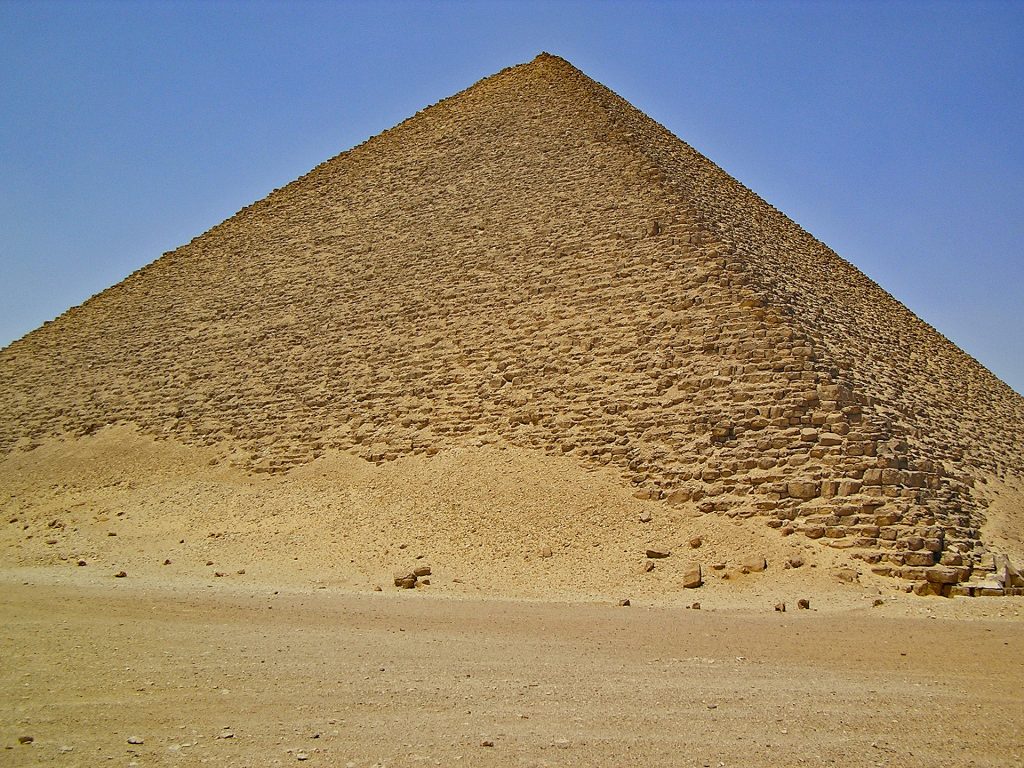
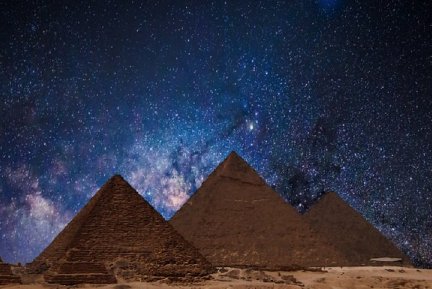
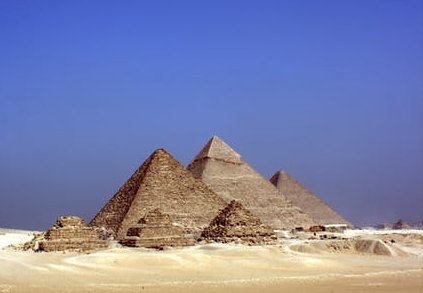
Are the pyramids of the Fourth Dynasty arranged in a narrative to encode a date of 10,450 BC?
Did the “Sandra” disappear in the Bermuda Triangle under mysterious circumstances?
We must all be familiar with those words used by magicians and conjurors throughout the
Joanne Conman’s close reading of “The Sphinx Blinks,” one of my monthly articles on astronomy
Skeptical Inquirer Vol. III, No.1, Fall 1978 pp 56-62 Reproduced with permission Did amphibious beings from
“There is, after all, no evidence from the Pyramid Texts or elsewhere to support the idea that different pyramids of the Fourth Dynasty might be equated with different stars of the constellation of Orion”
Since completing Fingerprints of the Gods (FOTG) in 1994 Graham Hancock has experienced unrivalled popular
Worlds in Collision Meets Chariots of the Gods – a review of the television series Quest for The Lost Civilization
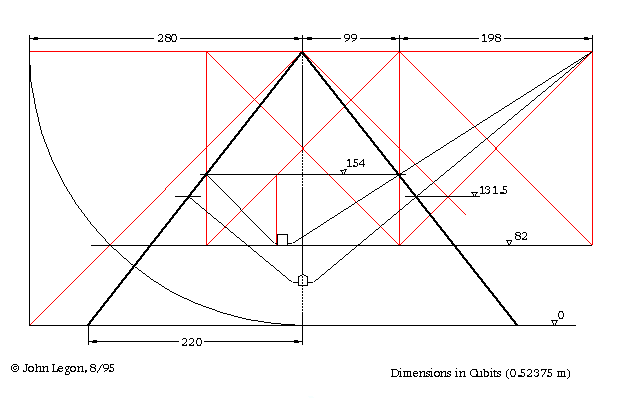
Did the Egyptians know “pi” and encode it into the Great Pyramid of Giza?
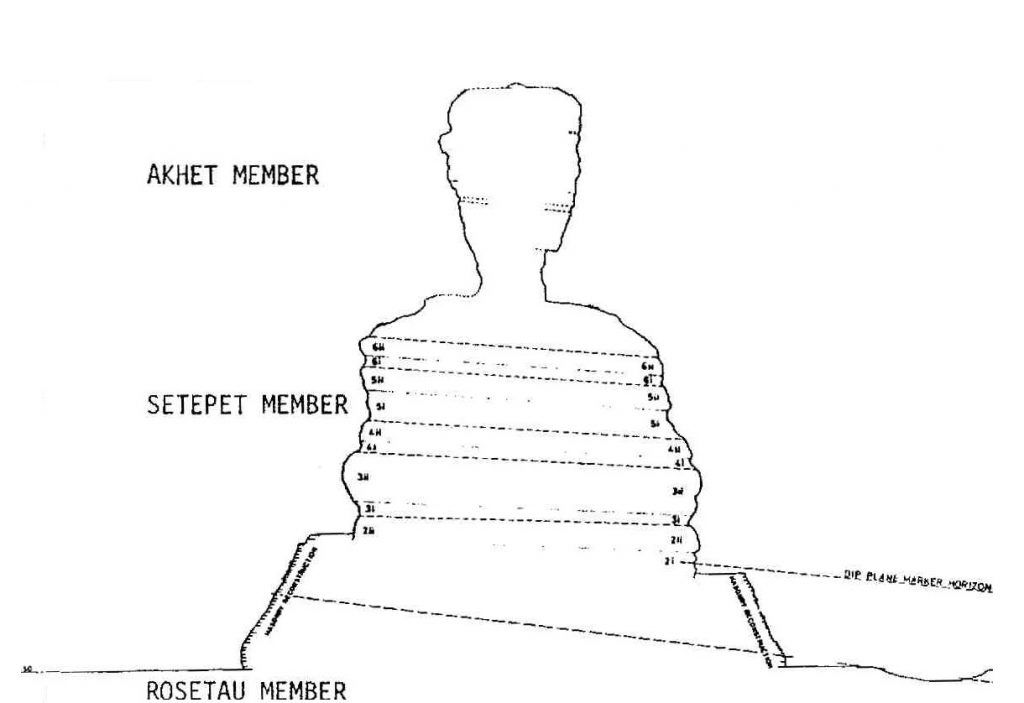
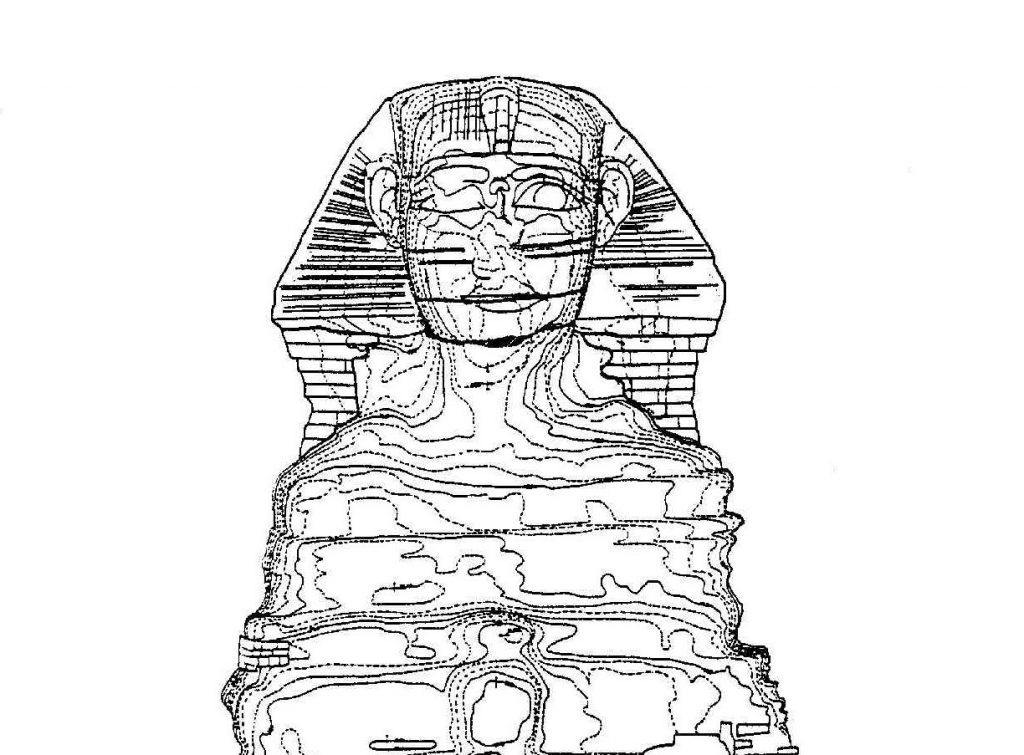
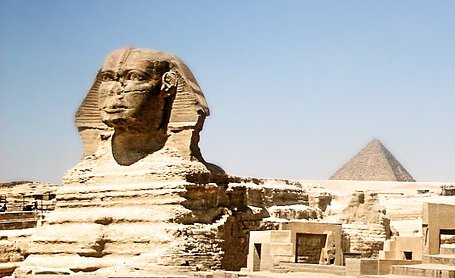
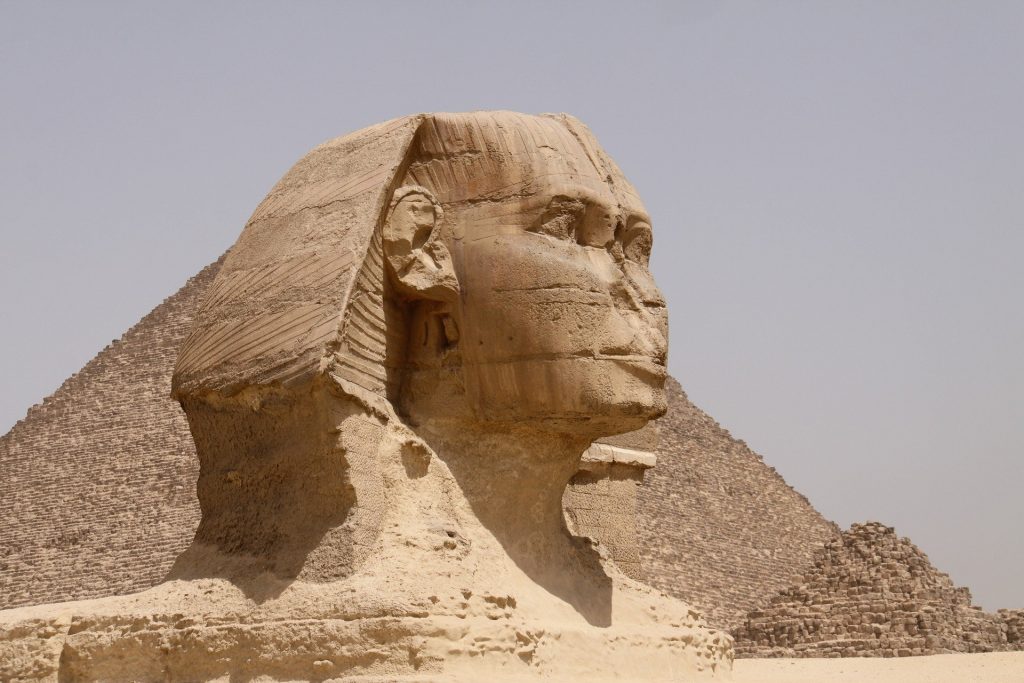
Summary. The portion of the Mokattam Formation exposed at the Sphinx has been divided from bottom upwards into three members namely, the Rosetau Member, the Setepet Member and the Akhet Member. The Rosetau Member is a bioherm; the Setepet Member consists of six, rhythmically deposited beds and the Akhet Member is marly below and a rather pure limestone above from which the head of the Sphinx has been carved. A geological map of the Sphinx based on the recognition of these three members has been presented. Petrographically, these limestones are packed biomicrites with variable quantities of silt, clays and hematite and the evaporites halite and gypsum. Structurally, the strata dip southward as against the regional northwards dip of all tertiary strata in the Nile Valley. The joints trending orthogonally in a NE and NW direction cause dislodgment of large blocks of limestone of the Sphinx core.
INTRODUCTION When geologist Robert Schoch and pyramid-power proponent John Anthony West first proposed their radical
James Harrell replies to Schoch’s critiques of his arguments against the West-Schoch idea that water created the erosion in the Sphinx enclosure.
by Gay Robins andC.C.D.Shute Discussions In Egyptology 18, 1990, pp 43-53Reproduced with permission Interpretations of the
On April 23, 2002, there was posted to the Graham Hancock web a set of
The area of the Sphinx is one of the few in the Giza necropolis where the stratigraphic history of the necropolis can still be observed. Moreover, it is a site in which several major periods of Egyptian History intersect in both architectural and depositional stratification.
The Narmer Macehead was found in the temple area of Nekhen (Hierakonpolis) in 1898. It is dates to the Early Dynastic Period reign of King Narmer
George Johnson on Robert Schoch and James Harrell From “Readers’ Forum”: KMT Vol. 5, No.
ARCE Newsletter, no. 114 (Spring 1981), pp. 35- 47. Reproduced by permission of the American